
After the Soviet Union collapsed in 1991, insecurity and the widespread availability of weapons transformed disputes over status and territory into full-scale wars in Abkhazia, South Ossetia and Mountainous Karabakh. After decades of negotiations and recurring violence peaceful settlements remain elusive.

The Georgian-Abkhaz conflict
We work with a wide range of partners to identify and address the drivers of conflict, undertaking initiatives to open up new spaces for debate within and between Georgian and Abkhaz societies and build capacities for peace. We work with experts, peacebuilders, politicians and officials to create an environment in which progress can be made – informing local and international policies, working to improve the lives of people directly affected by conflict and improving understanding of multiple perspectives on conflict dynamics.
Explore more

The Armenian-Azerbaijani conflict
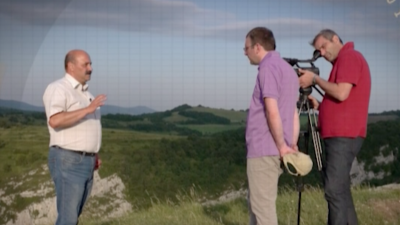
We work with a network of local partners to produce documentary films and other materials that challenge the narratives perpetuating conflict. We also organise dialogue among peacebuilders, analysts and international experts to analyse core obstacles to peace, and to generate new thinking and policy recommendations.
Explore more
Our work in action
We work to build connections among people affected by the conflicts, in order to improve the chances for peace and stability in this region.


Deeper learning
Together with our partners, we design research, and generate reports, policy briefs and other materials providing in-depth analysis of the South Caucasus conflicts and suggest pathways forward.
Publications


Research reports
